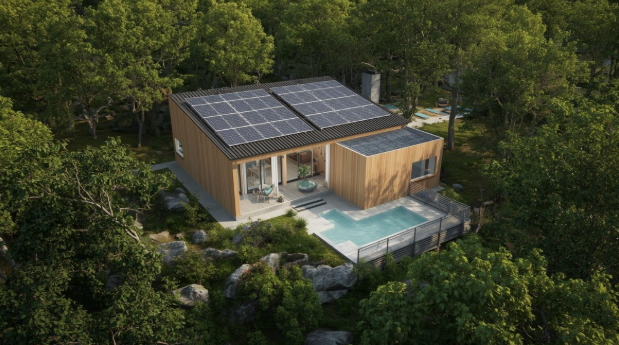
Local Sustainable Construction Companies: The Definitive Guide to Visionary Green Building

In an era defined by our environmental responsibility, the choice of who builds our homes and workspaces is no longer merely a matter of budget, it is a statement of intent. The intersection of human experience and the natural world requires a holistic approach to the built environment, where Biophilic Design and technical rigour coexist. Choosing from a pool of local sustainable construction companies is the first step toward creating a legacy of health, efficiency, and ecological harmony.
Whether you are embarking on a bespoke architectural design for a small house or a large-scale commercial development, selecting a partner who prioritises the planet is essential. This guide explores the strategies, materials, and innovations that define the leading edge of sustainable masterplanning and construction.
How to Identify Reputable Local Sustainable Construction Companies
Navigating the landscape of "green" building requires a discerning eye. To distinguish visionary practitioners from those merely practicing "greenwashing," one must look for verifiable standards and a transparent Sustainable Strategy.
Key Certifications and Standards
A reputable local sustainable construction company should be able to provide clear, third-party evidence of their commitment to the environment. Look for the following credentials:
ISO 14001: The gold standard for environmental management systems.
Passivhaus Certification: Evidence of expertise in ultra-low energy buildings. Discover the benefits of Passive House design to understand why this matters.
BREEAM: A world-leading sustainability assessment method for masterplanning and buildings.
MCS Accreditation: Essential for the valid installation of renewable energy systems like heat pumps and solar PV.
Assessing Experience and Track Record
Expertise is proven through the "fabric-first" results of previous works. When interviewing local sustainable construction companies, request:
Airtightness Test Results: Evidence of precision in the building envelope.
Post-Occupancy Evaluations: Real-world data on how the building performs after the residents move in.
Material Traceability: Documentation such as Environmental Product Declarations (EPDs) for timber, insulation, and glazing.
At HPW, we believe in a "behind the scenes" approach to quality. Our behind the curtain of design insights show how deep-level planning ensures a project's long-term sustainability.
Sustainable Construction Companies Cost: Investment vs Lifecycle Value
A common query for developers and homeowners alike is the financial implication of "going green." When evaluating sustainable construction companies' costs, it is vital to distinguish between initial capital expenditure (CAPEX) and long-term operational expenditure (OPEX).
Understanding the Upfront Premium
In the current 2026 market, high-performance builds typically carry an upfront cost premium of approximately 5% to 15% compared to traditional methods. This variance is driven by:
Advanced Materials: Low-carbon concrete and high-performance triple glazing often cost 10% to 20% more than standard alternatives.
Specialist Labour: Achieving the airtightness required for a Passivhaus or Net Zero standard necessitates skilled trades and meticulous site management.
Certifications: The administrative and auditing costs for BREEAM or LEED certification can add 2% to 7% to a project's base budget.
The Long-Term Return on Investment (ROI)
While the sustainable construction companies' cost may be higher on day one, the lifecycle savings are profound. Energy-efficient buildings delivered by local sustainable construction companies typically see a 20% to 30% reduction in operational costs. With rising energy prices, these savings often result in a "simple payback" period of 7 to 10 years. Furthermore, "green" buildings often command a rental premium of 13% to 35% and higher resale values, making them significantly more resilient financial assets.
Sustainable Strategy: Popular Methods and Materials
To achieve net zero goals, we must look beyond operational energy and address Embodied Carbon, the emissions generated during the manufacture and transport of building materials.
Eco-Friendly and Renewable Materials
The most forward-thinking local sustainable construction companies utilise materials that breathe and sequester carbon:
Hempcrete and Lime Plaster: Naturalised materials that regulate moisture and offer superior thermal mass.
Cross-Laminated Timber (CLT): A high-performance, low-carbon alternative to steel and concrete.
Recycled Aggregates: Reducing the demand for virgin resources in foundations and hard landscaping.
The Fabric-First Approach
Before considering "bolt-on" technologies, a sustainable building must be inherently efficient. This involves:
Continuous Insulation: Eliminating thermal bridges to maintain a stable internal temperature.
High-Performance Glazing: Triple-glazed units with warm-edge spacers to mitigate heat loss.
MVHR (Mechanical Ventilation with Heat Recovery): Ensuring exceptional indoor air quality while recovering up to 95% of heat.
For more on how these technical choices influence the aesthetic and feel of a home, explore our guide to interior design and interior architecture.
Technical Innovation in Modern Green Homes
The integration of technology is vital for monitoring and reducing a building’s carbon footprint. Leading local sustainable construction companies now utilise digital twins and Building Information Modelling (BIM) to optimise performance.
Low-Carbon Heating and Renewables
Replacing fossil-fuel boilers is a priority for any sustainable building construction project.
Air-Source Heat Pumps (ASHP): Extracting ambient heat from the air to provide efficient heating and hot water.
Solar PV and Battery Storage: Creating self-sufficient homes that reduce reliance on the national grid.
Smart Controls: Using weather compensation and occupancy sensors to limit energy waste.
Lighting and Wellbeing
Sustainability also encompasses human health. Innovative lighting tips for architecture suggest that maximising natural daylight not only reduces energy use but significantly enhances the wellbeing of occupants, a key trend in workplace design for enhanced wellbeing.
Community Impact and Masterplanning
Sustainable construction is not an isolated act; it is an investment in the local community. By choosing local sustainable construction companies, developers can foster Social Value and protect local ecosystems.
Enhancing B
iodiversity Net Gain
Masterplanning should always seek to leave the environment in a better state than it was found. This is achieved through:
Green Infrastructure: Native-plant landscaping and wildlife corridors.
Sustainable Urban Drainage Systems (SuDS): Rain gardens and permeable paving that manage run-off and recharge groundwater.
Living Roofs: Providing habitats for pollinators while reducing the "urban heat island" effect.
Our work on the Paultons Park entrance building demonstrates how high-traffic commercial spaces can still embody these ecological principles.
Cost, Regulations, and Future Value
While the initial investment in a green building may be higher, the long-term value is indisputable. As UK regulations tighten with the Future Homes Standard, properties built to lower standards face the risk of becoming "stranded assets."
Feature | Standard Construction | Sustainable Construction |
Operational Energy | High Bills / High Carbon | Low Bills / Net Zero Ready |
Resale Value | Standard | Premium (Green Premium) |
Health & Comfort | Risk of Mould/Draughts | Filtered Air / Stable Temps |
Regulatory Risk | High (Future Retrofit Needed) | Low (Future-Proofed) |
Investing in a benefit-driven architectural partnership ensures your project navigates these complex regulations while maximising your return on investment and clarifying the sustainable construction companies cost metrics for your specific site.
Leading the Way: HPW and Sustainable Masterplanning
As a leader in the field, HPW has a long history of reflecting on garden centre projects and commercial masterplans that prioritise the environment. Our portfolios showcase a commitment to architectural design trends that move beyond the superficial, focusing on deep-rooted sustainability.
From designing a loft bedroom with eco-friendly ideas to developing entire low-carbon neighbourhoods, our approach is consistently visionary and environmentally conscious.
FAQs on Local Sustainable Construction Companies
How do I find verified local sustainable construction companies?
Search for companies with ISO 14001 or Passivhaus Trust membership. Ask for evidence of past projects that have met specific carbon reduction targets.
How much do sustainable construction companies cost compared to standard firms?
Expect a premium of 5% to 15% for the initial build. However, this is offset by significant energy savings and protection against future carbon taxes and regulatory changes.
Can local builders deliver to Passivhaus standards?
Yes, provided they have the specific technical training. Many local sustainable construction companies now specialise in these standards to meet the growing demand for high-performance housing.
Start Your Sustainable Journey with HPW
The path to a net zero future is built on collaboration, innovation, and a deep respect for our natural world. Whether you are looking for local sustainable construction companies to realise a private residence or a commercial masterplan, HPW is here to guide you.
Explore our dedicated sustainability page to learn more about our ethos, or contact us directly to discuss how we can bring your visionary project to life. Together, we can build a world that thrives for generations to come.