
Sustainable Architecture Materials: A Visionary Guide to Innovative Design
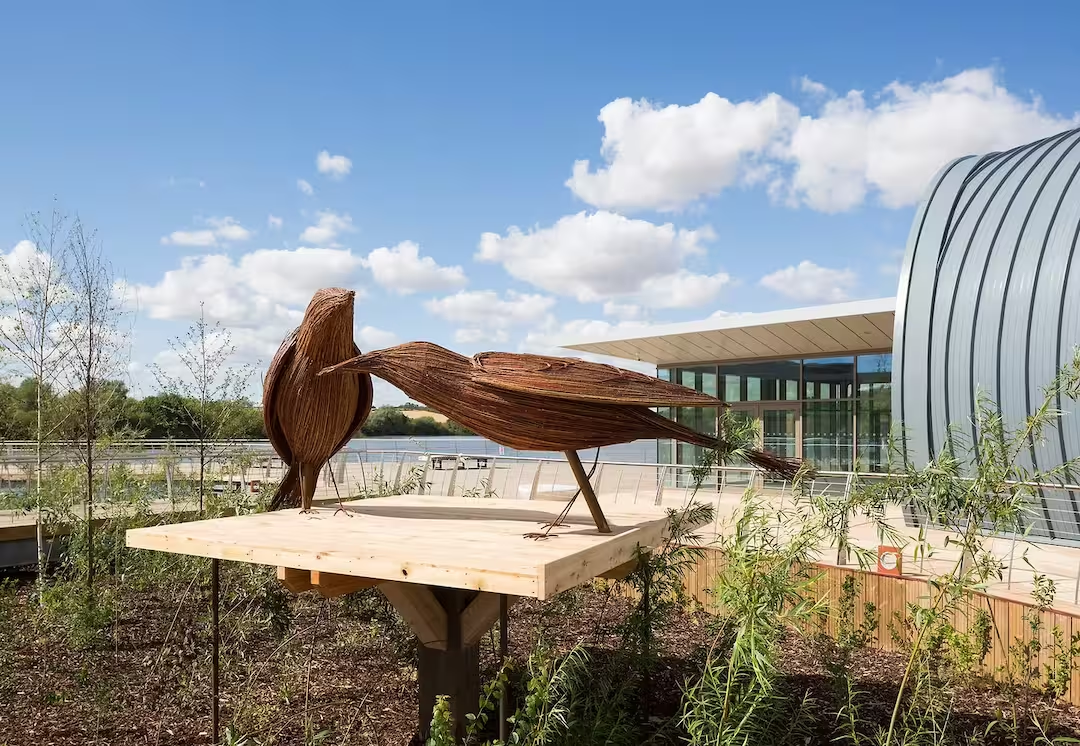
Sustainable architecture materials, ranging from mass timber and hempcrete to recycled steel and low-carbon concrete, are essential for reducing a building’s environmental footprint through low embodied energy and high thermal performance.
At HPW, we believe that every structure should be a testament to environmental responsibility, using these renewable and naturalised solutions to transform traditional buildings into high-performance ecosystems. By prioritising materials that sequester carbon and enhance occupant health, visionary design moves beyond simple aesthetics to foster a deep, lasting respect for the natural world.
As the industry navigates the urgent transition toward a carbon-neutral future, the choice of materials has become the focal point of modern masterplanning and ecological stewardship. This approach ensures that the landscapes of tomorrow are defined by structures that are as efficient as they are beautiful.
For a deeper look at the technical innovations and natural solutions reshaping the industry, explore our full guide to sustainable building construction.
The Strategic Role of Sustainable Architects in Material Selection
The transition to a greener built environment is led by sustainable architects who view materials not just as physical components, but as carbon-sequestering assets. The strategic selection of sustainable architecture materials is a fundamental pillar of designing for sustainability, ensuring that every choice aligns with long-term climate goals.
Lifecycle Thinking and Embodied Carbon
To achieve true sustainability, we must look beyond operational energy. Sustainable architects now prioritise "cradle-to-cradle" thinking, assessing:
- Embodied Carbon: The total greenhouse gas emissions generated during extraction, manufacture, and transport.
- Renewability: Favouring materials that replenish rapidly, such as certified timber or bamboo.
- Circular Economy: Designing for disassembly to ensure components can be reclaimed at the end of a building's life.
By understanding the structural engineer vs architect relationship, we can better coordinate the use of advanced composites like Cross-Laminated Timber (CLT) with traditional structural requirements, reducing a project's footprint from the ground up.
Essential Natural Solutions: Harnessing the Earth’s Resources
Nature provides a sophisticated palette of materials that offer exceptional thermal, acoustic, and moisture-regulating properties. When specified by experienced sustainable architects, these natural solutions provide a bridge between ancient wisdom and modern performance.
1. Hempcrete and Bio-Based Composites
Hempcrete is a revolutionary material that combines hemp hurds with a lime-based binder. It offers:
- Carbon Sequestration: Hemp absorbs more CO₂ during its growth than is emitted during the production of the binder.
- Thermal Buffering: Its unique hygrothermal properties regulate indoor temperature and humidity.
- Vapour Permeability: It "breathes," significantly reducing the risk of mould and improving indoor air quality.
2. Bamboo: The Rapidly Renewable Powerhouse
Often called "green steel," bamboo offers a tensile strength that rivals traditional metals while being one of the fastest-growing plants on earth. It is an ideal choice for architectural design for a small house where lightweight, high-strength applications are required.
3. Cork and Straw Bale
- Cork: Harvested from the bark of cork oak trees without harming the tree, cork provides excellent acoustic damping and thermal insulation.
- Straw Bale: A byproduct of grain harvesting, straw bales provide a "super-insulated" envelope, often reaching U-values as low as 0.15 W/m²K.
Technical Innovation: Recycled and Reclaimed Resources
Innovation is not always about the "new"; often, it is about the "reborn." Utilising recycled sustainable architecture materials is a key strategy for sustainable architects looking to reduce waste streams.
- Recycled Steel: Maintaining the structural integrity of virgin steel but with a fraction of the energy intensity.
- Reclaimed Wood: Using timber salvaged from demolition adds character and avoids the carbon cost of new harvesting.
- Recycled Glass and Plastics: Integrated into flooring, countertops, and even façade systems, these materials divert waste from landfills.
For those interested in how these materials influence aesthetics, our insights into interior design and interior architecture showcase how reclaimed textures can define a space.
Advanced Engineered Alternatives: CLT and Beyond
The rise of mass timber is perhaps the most significant shift in modern architectural design trends. Cross-Laminated Timber (CLT) allows for the construction of mid-to-high-rise buildings using wood, effectively turning buildings into carbon sinks.
- Structural Efficiency: CLT panels are prefabricated, reducing on-site waste and construction time.
- Biophilic Benefits: Leaving timber exposed enhances the human connection to nature, supporting wellbeing as explored in shaping how we live and feel case studies.
- Fire Performance: CLT chars at a predictable rate, often performing more reliably than unprotected steel in fire scenarios.
Strategies for Energy and Acoustic Performance
A building's skin must do more than simply enclose space; it must perform. Sustainable architects use a combination of sustainable architecture materials to manage heat, sound, and light.
Passive House Principles and Thermal Mass
Implementing a "fabric-first" approach is essential. Materials like rammed earth provide high thermal mass, smoothing out daily temperature swings. This is a core component of the benefits of Passive House design, where the building envelope does the work of traditional mechanical systems.
Green Roofs and Urban Microclimates
Green roofs are not merely decorative; they are vital urban infrastructure that:
- Reduces the Urban Heat Island effect.
- Provides a naturalised habitat to support Biodiversity Net Gain.
- Offers superior acoustic insulation for city-centre developments.
Community Impact and Social Initiative
The choice of materials also has a profound social dimension. By selecting locally sourced, non-toxic sustainable architecture materials, we support local economies and ensure healthier environments for the community. At HPW, we recognise the importance of social initiative architecture, where the materials chosen directly reflect the values of the people who use the space.
Whether it is through form and function in interior design or large-scale masterplanning, the material palette should always serve the collective good.
FAQs on Sustainable Architecture Materials
What are 5 sustainable materials?
Five common sustainable architecture materials used in modern design are:
- Cross-Laminated Timber (CLT): An engineered mass timber used for primary structures.
- Hempcrete: A carbon-sequestering composite used for breathable, insulating walls.
- Bamboo: A rapidly renewable resource with high tensile strength for structural and finish applications.
- Recycled Steel: A durable structural material with significantly lower embodied energy than virgin steel.
- Cork: A natural, renewable material excellent for acoustic and thermal insulation.
What are examples of sustainable architecture?
Examples of sustainable architecture include buildings that achieve carbon-neutrality, utilise Passive House principles, or incorporate significant lighting tips for architecture to reduce energy demand. High-profile examples include the Bullitt Center in Seattle, the Edge in Amsterdam, and our own work on the Paultons Park entrance building.
What are sustainable materials?
Sustainable materials are those that provide environmental, social, and economic benefits while protecting public health and the environment over their whole life cycle. This includes materials that are renewable, recycled, non-toxic, and have low embodied carbon.
What are the most sustainable building materials?
The most sustainable architecture materials are typically those with the lowest environmental impact across their lifecycle. Natural fibres (hemp, straw), responsibly sourced timber (FSC-certified), and reclaimed stone or brick are often considered the most sustainable due to their low processing requirements and high recyclability.
Implementing Sustainable Materials in Practice
Successfully integrating these materials requires a shift in procurement and site management. Sustainable architects must work closely with contractors to ensure that the benefits of hiring an architect are realised through precise detailing and material handling.
- Selection & LCA: Using Life Cycle Assessment tools to quantify the carbon footprint of every component.
- Healthy Interiors: Prioritising Low-VOC paints and finishes to ensure healthy indoor air quality, a major factor in modern interior design trends.
- Future-Proofing: Selecting durable materials that can withstand the changing climate while remaining easy to maintain.
Partner with Visionary Sustainable Architects
At HPW, we believe that the buildings of the future must be as resilient as they are beautiful. Our commitment to sustainability is woven into the fabric of every project, from intimate residential retreats to expansive masterplans. By mastering the use of sustainable architecture materials, we empower our clients to leave a positive legacy on the world.
Explore our portfolios to see how we bring these materials to life, or contact us to discuss how our team of sustainable architects can help you achieve your visionary design goals. Let us work together to build a future that respects both people and the planet.