Sustainable Construction Companies Cost: The Definitive Guide to Pricing, Lifecycles, and Visionary Value
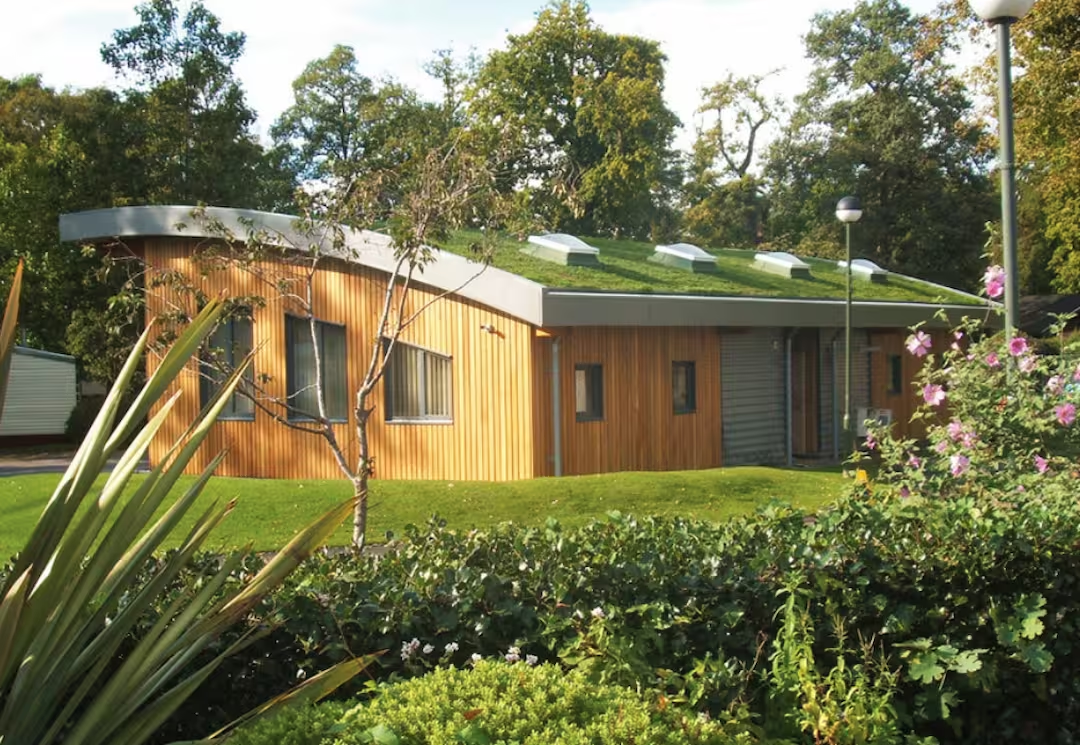
When evaluating the sustainable construction companies cost for a UK development, the initial capital premium typically runs 5% to 15% higher than conventional, code-minimum building methods.
This upfront investment varies depending on the project scope, chosen materials, and specific performance benchmarks like Passivhaus or BREEAM. However, this early capital expenditure (CAPEX) is steadily recovered through long-term operational expenditure (OPEX) savings, as high-efficiency fabric choices, strict airtightness, and integrated on-site renewable technologies reduce monthly energy consumption by 20% to 40% year after year.
Designing and building responsibly with local sustainable construction companies is a strategic investment in resilient infrastructure. This comprehensive guide details the technical, geographic, and systemic factors that influence ecological building pricing, providing a clear roadmap to balancing environmental integrity with disciplined budgetary control.
Key Factors Influencing Sustainable Construction Companies Cost
A transparent evaluation of sustainable construction companies' cost begins with the specific, measurable choices made during the earliest architectural work stages. Upfront pricing is not an arbitrary premium; it is directly shaped by material lifecycles, specialised human capital, regulatory mandates, and mechanical systems.
Material Selection and Sourcing Economics
Material selection dictates both the initial cash flow and the long-term carbon metrics of a project. Specifying carbon-sequestering elements or highly processed, low-impact alternatives involves a distinct procurement landscape:
- Engineered Mass Timber: Cross-Laminated Timber (CLT) and glulam panels cut structural weight and construction timelines but require precision factory prefabrication.
- Low-Carbon Binders: Concretes substituting Portland cement with ground granulated blast-furnace slag (GGBS) or fly ash reduce embodied emissions but alter curing timelines.
- High-Performance Envelopes: Vacuum insulation panels (VIPs), wood-fibre boards, and triple-glazed units with warm-edge spacers demand a higher upfront material allocation.
Material choice has a direct impact on both upfront cost and lifecycle performance. You often pay more at procurement stage for certified timber, recycled steel, low-carbon concrete or high-performance insulation. Sourcing also affects cost. Locally procured materials can reduce transport expenses and carbon reporting exposure, while imported sustainable products may increase lead times and logistics costs. Certification schemes such as FSC or BES 6001 add verification costs but strengthen compliance and asset value.
Labour, Expertise, and Integrated Design Teams
Deploying a low-carbon building template requires a higher tier of professional design coordination and craftsmanship on-site. The overall sustainable construction companies cost reflects the integration of accredited specialists:
- Accredited Consultants: Engaging certified BREEAM assessors, energy modellers, and Passivhaus designers early in RIBA Stage 2.
- Specialist Subcontractors: Employing carpenters and installers trained in membrane continuity, continuous insulation detailing, and airtightness junctions.
- Commissioning Rigour: Detailed testing of Mechanical Ventilation with Heat Recovery (MVHR) systems and renewable arrays to close the performance gap between design intent and physical reality.
This specialist input can be offset by adopting an integrated design process. By gathering architects, structural engineers, and quantity surveyors in collaborative BIM environments before breaking ground, projects reduce on-site variations and material waste, containing costs through architectural precision. This collaborative ethos underpins the strategy explored in our guide to the value of hiring an architect.
Technology Integration and Mechanical Infrastructure
The mechanical heart of sustainable development requires an intentional balance of technology and architecture. Automated infrastructure adds to the initial shell and core expenditure but provides the framework for decade-long energy independence. Digital and mechanical systems significantly influence sustainable construction costs. Building Information Modelling (BIM) improves coordination but requires software licences, skilled operators and structured data management.
Energy management systems, smart meters and automated controls add capital expense. Yet they allow you to track consumption, verify performance and reduce operational waste. Renewable technologies such as solar PV, heat pumps and battery storage increase initial spend. Their financial viability depends on system sizing, grid connection costs and available incentives.
Cost Comparison: Sustainable vs Traditional Building Projects
To properly evaluate sustainable construction companies' cost, developments must be analysed side-by-side with conventional, code-minimum buildings. The true financial narrative emerges when construction expenditure is contrasted with decade-long operational outlays.
Upfront Capital Investment Analysis
In the UK commercial and residential sectors, selecting an environmentally conscious tier of delivery typically introduces an initial capital premium of 5% to 15% over standard, non-certified construction methods. This variance is highly dependent on the targeted level of certification and design complexity.
Traditional building methodologies rely on established, fossil-fuel-reliant supply chains, such as standard Portland cements, synthetic insulation, and basic double glazing, that benefit from high market saturation and predictable pricing. However, as the production of engineered timber, bio-based composites, and recycled steel scales up, this capital cost gap is steadily narrowing, making the choice of a sustainable framework increasingly accessible.
Lifecycle Cost Savings and Operational Resilience
Focusing solely on building costs ignores the reality that construction typically accounts for only 20% of a building's total financial expenditure over a 30-year lifecycle; the remaining 80% is spent on operation, energy, and maintenance.
High-performance buildings designed with a fabric-first approach consistently reduce operational energy use by 20% to 40%. Through airtight detailing, thermal-bridge-free envelopes, and smart water management systems, utility bills are lowered directly. When evaluated on a 25-to-50-year horizon, the lower maintenance schedules and reduced energy outlays mean the sustainable option provides a far more stable long-term financial structure. For an exploration of how these structural envelope choices transition smoothly into human-centric interiors, read our insight on interior design and interior architecture.
Realising the Green Premium and Return on Investment (ROI)
The Return on Investment for choosing a high-performance build is delivered through multiple commercial vectors. In the commercial property market, assets with verified environmental credentials, such as BREEAM Excellent or Passivhaus certification, experience a clear commercial advantage:
- Higher Occupancy Rates: Corporate tenants with strict ESG mandates actively seek out efficient, healthy commercial spaces.
- Asset Valuation: Certified green buildings often command a green premium, resulting in higher rental yields and enhanced resale values.
- Regulatory Future-Proofing: Building beyond current code minimums shields the asset owner from the threat of stranded assets or mandatory structural retrofits as building standards tighten toward carbon-neutral mandates.
Financial Incentives, Tax Benefits, and Funding Options
The initial capital expenditure associated with sustainable construction companies cost can be mitigated by leveraging targeted financial products, public funding mechanisms, and capital tax allowances.
Government Grants and Regional Funds
The UK funding landscape offers strategic capital injections for projects that integrate low-carbon technologies and measurable energy reductions. Developers can tap into direct capital grants from regional development funds and local enterprise partnerships aimed at urban regeneration. These schemes frequently subsidise the installation of commercial heat pump infrastructure, large-scale solar arrays, and high-performance building fabric upgrades. Aligning project milestones with these strict application windows allows developers to absorb a portion of the early-stage design and feasibility costs.
Green Financing Frameworks
The financial sector increasingly rewards environmental responsibility. Major UK institutional lenders now offer specialised green loans and sustainability-linked financing that provide:
- Preferential Interest Rates: Discounted borrowing costs for developments that hit verified EPC or BREEAM benchmarks.
- Flexible Terms: Improved debt-service coverage ratios for assets with low operational risk profiles.
- ESG Capital Pools: Direct access to dedicated institutional investment funds focused exclusively on green infrastructure and low-impact masterplanning.
Capital Tax Allowances and VAT Mechanisms
The tax framework supports capital investment in energy-saving assets. Through mechanisms like the Annual Investment Allowance (AIA), commercial entities can deduct the full cost of qualifying energy-efficient plants, mechanical ventilation equipment, and solar arrays against their taxable profits in the first year. Furthermore, the Structures and Buildings Allowance (SBA) offers steady tax relief for new commercial configurations, helping to soften the impact of high early-stage material procurement costs.
Estimating and Managing Sustainable Construction Budgets
Containing the budget of an environmentally conscious build requires a departure from traditional quantity surveying models. Cost control must be woven into the design logic from day one, ensuring that performance targets are balanced with commercial reality.
Life Cycle Costing (LCC) and Value Management
Traditional budgeting focuses almost exclusively on tender returns. Visionary budgeting uses Life Cycle Costing (LCC) to evaluate every material swap through its long-term financial performance.
- RIBA Stage 2 Elemental Breakdowns: Establish clear cost targets for the building envelope, mechanical plant, and structural frame, testing alternative specifications via energy modelling before freezing layouts.
- Value Management Workshops: Bring architects, engineers, and contractors together to ensure every green specification directly supports a performance requirement rather than adding cost for purely symbolic value.
- Holistic Balance: Verify that selecting an expensive component, such as high-performance triple glazing, is offset by downscaling the building's central heating and cooling plant.
This technical discipline ensures that the relationship between architectural intent and actual build metrics remains completely aligned, mirroring the ethos of our analysis on form and function in interior design.
Risk Mitigation and Contingency Structure
Eco-friendly developments introduce unique risk dynamics that must be contained via a structured contingency fund. Price volatility in evolving material supply chains, long lead times for specialised shifts, and the specific documentation costs of environmental certification necessitate a layered financial cushion. You should separate contingency into design contingency to cover incomplete details and construction contingency to manage site conditions and logistics.
Relying on flat-rate percentages across the life of a project often creates budget pressure. Contingency allocations should be weighted heavier in the pre-construction phase and systematically reduced as solid supplier quotes, material testing profiles, and certified subcontractor packages are locked down.
Impact of Location and Project Type on Costs
The geographic setting and the intended sector of a building play a substantial role in determining the ultimate baseline of sustainable construction companies' cost.
Urban Density vs Rural Logistics
Urban developments operate under tight spatial restrictions, strict local clean-air logistics rules, and higher base labour rates. While the cost of site waste management plans and low-emission site cranes increases urban expenditures, these projects enjoy seamless proximity to certified specialist suppliers, local recycling plants, and accredited consultants.
Conversely, rural masterplanning projects benefit from lower land costs and less complex site constraints, but often face a geographic premium when hauling certified timber, low-impact insulation, or specialised mechanical plant over long distances. If a rural location lacks immediate connection to high-capacity utilities, upfront costs may shift heavily toward establishing on-site water management systems, rainwater harvesting loops, and self-sufficient renewable microgrids. This spatial strategy is critical when deploying commercial leisure architecture, as explored in our guide to eco-friendly architecture for visitor attractions and leisure sites.
Sector Profiles: Residential, Commercial, and Industrial
- Residential Sector: Focuses primarily on maximising envelope performance via deep fabric insulation, minimising thermal bridging, and integrating localised renewables like domestic heat pumps. Initial cost premiums are modest and can be direct-line recovered via lower utility bills and improved resale value.
- Commercial Sector: Demands sophisticated mechanical coordination, continuous automated monitoring, and extensive daylighting arrays. Certification requirements, such as achieving BREEAM Excellent, increase design and auditing fees but create institutional assets that attract blue-chip tenants.
- Industrial Sector: Operates on immense structural scales. Budgets here shift toward structural carbon reductions, such as recycled steels or cement-free slabs, extensive roof-mounted solar PV farms, and process water recycling loops, achieving high ROI through industrial scale and operational efficiency.
Selecting a Sustainable Construction Partner
Controlling project costs and safeguarding long-term asset value depends on a rigorous pre-qualification process during contractor procurement.
Verifying Contractor Credentials
When evaluating potential builders, look past corporate marketing statements to audit verifiable operational credentials:
- ISO 14001: Confirms a structured, independently audited environmental management framework that actively controls on-site waste, pollution, and resource consumption.
- Passivhaus Tradesperson Status: Demonstrates specific technical literacy in delivering extreme airtightness, continuous insulation barriers, and specialised mechanical commissioning.
- BIM Level 2 Competence: Ensures the building team can actively coordinate with complex, data-rich architectural files, preventing expensive structural rework and clash issues on-site.
Auditing Past Project Portfolios
Request quantified data from the contractor's previous projects that match the scale and typological goals of your brief. A high-performing sustainable contractor will provide detailed project close-out data:
- Airtightness Metrics: Actual blower-door test figures achieved across similar built envelopes.
- Site Waste Management Plans: Documented diversion rates showing the percentage of construction waste successfully kept out of landfills.
- Performance Verification: Post-occupancy evaluations proving that their past builds achieved their projected energy targets in real-world operation.
Choosing a builder with a proven history of cost discipline in sustainable execution minimises risk and ensures that your initial capital allocation translates into a high-performance building asset.
Trends Shaping Sustainable Construction Expenditure
The economic landscape of green construction is constantly evolving as new digital tools and material manufacturing processes reshape how architectural budgets are deployed.
The Industrialisation of Innovative Materials
The market for low-impact building elements is moving away from bespoke, artisan sourcing toward large-scale industrialisation. Materials such as bio-based insulations, hemp-lime panel blocks, and engineered mass timbers are benefiting from increased factory output. While these solutions still carry an upfront capital premium over mass-produced petrochemical alternatives, their predictable thermal performance and reduced site installation time lower total construction risk.
Furthermore, as the industry embraces strict carbon accounting metrics, materials with low embodied carbon help developers stay ahead of evolving planning restrictions and local infrastructure levies.
Digitalisation and Precision Cost Management
Modern quantity surveying relies heavily on integrating digital tools directly into the architectural model. By connecting Building Information Modelling (BIM) files directly to real-time costing databases and carbon tracking systems, design teams can instantly calculate the financial and environmental cost of changing a specification.
This shift to data-driven design management enables:
- Instant Material Comparisons: Instantly measuring the capital cost against the 30-year operational footprint when evaluating envelope configurations.
- Clash Detection: Resolving mechanical, structural, and architectural routing overlaps virtually before fabrication begins, reducing site variations.
- Performance Tracking: Allocating project capital based on empirical performance data, ensuring that every pound spent directly supports a measurable sustainability benchmark.
Frequently Asked Questions
Is green construction more expensive than conventional building methods?
You will often face higher upfront costs with green construction, mainly due to energy-efficient systems, enhanced insulation, and specialist design input. Industry data frequently places the premium between 2% and 10%, depending on specification and project scale. However, the gap narrows when you integrate sustainability from the concept stage. Early design decisions reduce redesign costs and prevent expensive retrofits later. You should also consider the whole-life cost rather than capital cost alone. Lower energy use, reduced maintenance, and improved durability can offset part of the initial premium over time.
What factors most influence the overall cost of a greener build?
Your design complexity plays a major role. Bespoke facades, advanced glazing, and renewable energy systems increase capital expenditure. Material specification also drives cost. Low-carbon concrete, responsibly sourced timber, and high-performance insulation often carry higher unit prices than standard alternatives. Location, supply chain availability, and contractor experience further affect your budget. Projects delivered by teams familiar with sustainable standards typically avoid costly compliance errors and delays.
How much additional budget should be allowed for achieving BREEAM or LEED certification?
You should typically allow an additional 1% to 5% of construction value for certification-related costs. This covers assessment fees, documentation, modelling, and consultancy input. Higher ratings such as BREEAM Excellent or LEED Gold can increase costs further due to stricter energy, water, and material benchmarks. You can control these costs by aligning certification goals with your core design strategy rather than treating them as add-ons.
How do material choices affect both embodied carbon and project costs?
When you choose materials, you influence both embodied carbon and capital expenditure. Cement-intensive concrete and steel carry high embodied carbon but often remain cost-competitive. Substituting with timber, recycled steel, or low-carbon concrete mixes can reduce emissions. These options may increase material costs, though bulk procurement and local sourcing can limit price differences. You should assess lifecycle carbon alongside durability. A longer-lasting material with slightly higher upfront cost can deliver lower total environmental impact over its lifespan.
What incentives, grants, or tax reliefs can reduce the cost of a low-carbon build in the UK?
You may access government-backed schemes that support energy efficiency and low-carbon technologies, depending on project type and location. Initiatives include grants for heat pumps, renewable installations, and public sector decarbonisation. Enhanced capital allowances and tax reliefs can apply to qualifying energy-saving equipment. Local authorities may also offer funding for regeneration or low-carbon housing projects. You need to review eligibility criteria carefully, as funding levels, timelines, and qualifying technologies change regularly.
Realise Your Visionary Project with HPW
At HPW, we believe that exceptional architecture is born from the perfect synergy of ecological responsibility and commercial performance. Our holistic approach to sustainability moves past standard industry checklists, utilising advanced digital tools, life-cycle costing, and a fabric-first approach to create enduring assets for communities and investors alike.
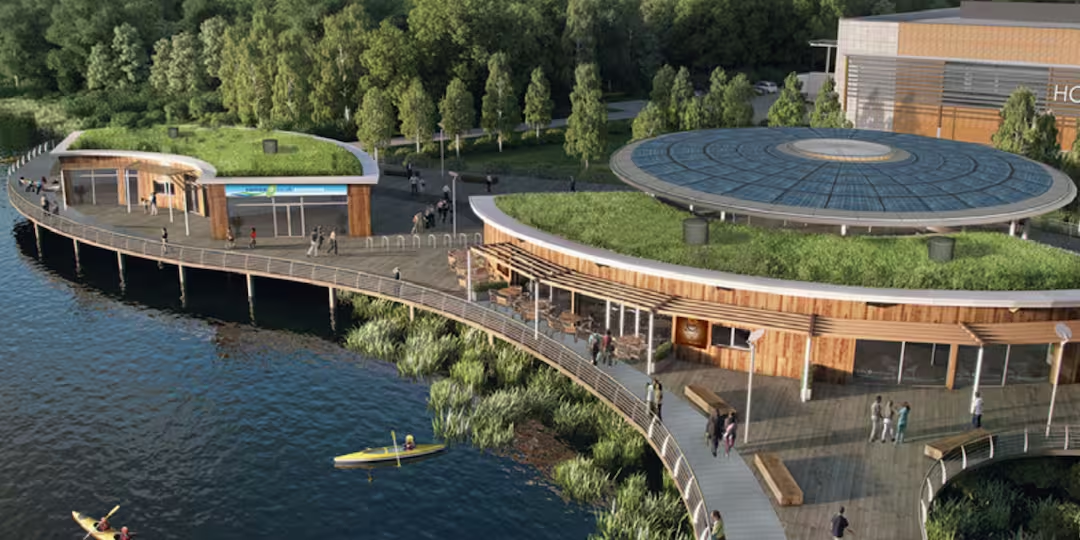
Our portfolio demonstrates how iconic, light-filled spaces can be delivered within balanced commercial parameters, an approach clearly evident in our masterplanning work for the Paultons Park entrance building.
Ready to maximise the long-term value of your next development? We invite you to explore the complete HPW design ecosystem and discover more about our visionary team on our about us page. To review our client success stories, read through our verified testimonials.
Contact our senior design partners today to discuss how we can collaborate to deliver a high-performing, resilient asset that sets a benchmark for sustainable architecture.